Meet Pottery Kiln Lab

This corner of the web is devoted to the development and operation of practical and efficient fuel-fired pottery kilns. No vague principles but data and explanations based on solid engineering and scientific principles, challenging a number of commonly repeated assumptions in pottery kiln design.

Meet Pottery Kiln Lab Read Post »
Burning coal

Solid fuel, Gas or Oil?

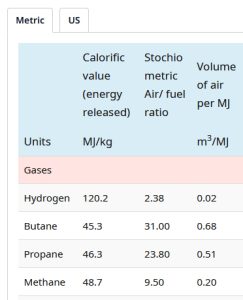
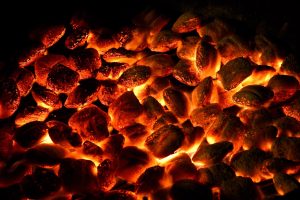
The nature of fuel has a big impact on the design and operation of any fuel-fired kiln. Empirical rules established for solid fuel kilns are widely quoted as fundamental principles of kiln design, but are completely inappropriate for gas-fired or oil-fired kilns. This article explains some of the important differences and the implications for kiln design.

Solid fuel, Gas or Oil? Read Post »

Yellow gas flame

Principles of gas burners

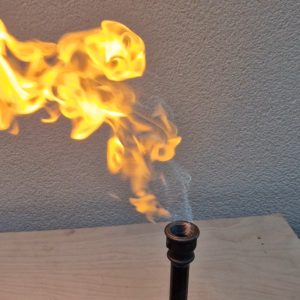
A gas burner works by mixing gas fuel with the right proportion of air for burning. The simplest and most commonly used gas burners for natural gas and LPG are atmospheric or venturi burners. They don’t need a blower or any moving parts. This article outlines their principles of operation and key parts, providing a basis for fault-finding diagnostics.

Principles of gas burners Read Post »

Burning wood

Combustion and Reduction Firing in Pottery Kilns

One reason to build a fuel-burning kiln is to produce beautiful reduction glaze effects. Whether kilns are wood-fired, gas-fired or oil-fired, the atmosphere can be starved of oxygen to produce these effects. This article outlines the chemical changes involved in combustion, explains the important differences between these types of fuel and the implications for the design and operation of the kiln.

Combustion and Reduction Firing in Pottery Kilns Read Post »

Kiln K2 CAD front view

Experimental kiln design

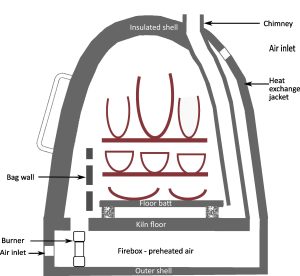
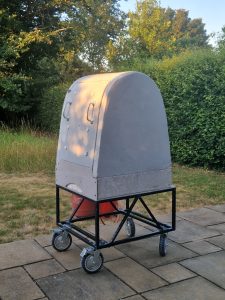
This article gives details about the design of an experimental gas-fired kiln. It was designed to be a practical working kiln that can also be a test kiln exploring alternative materials and DIY construction techniques and to provide a way to test several innovations for optimising fuel use in studio-scale kilns.

Experimental kiln design Read Post »

Scroll to Top